
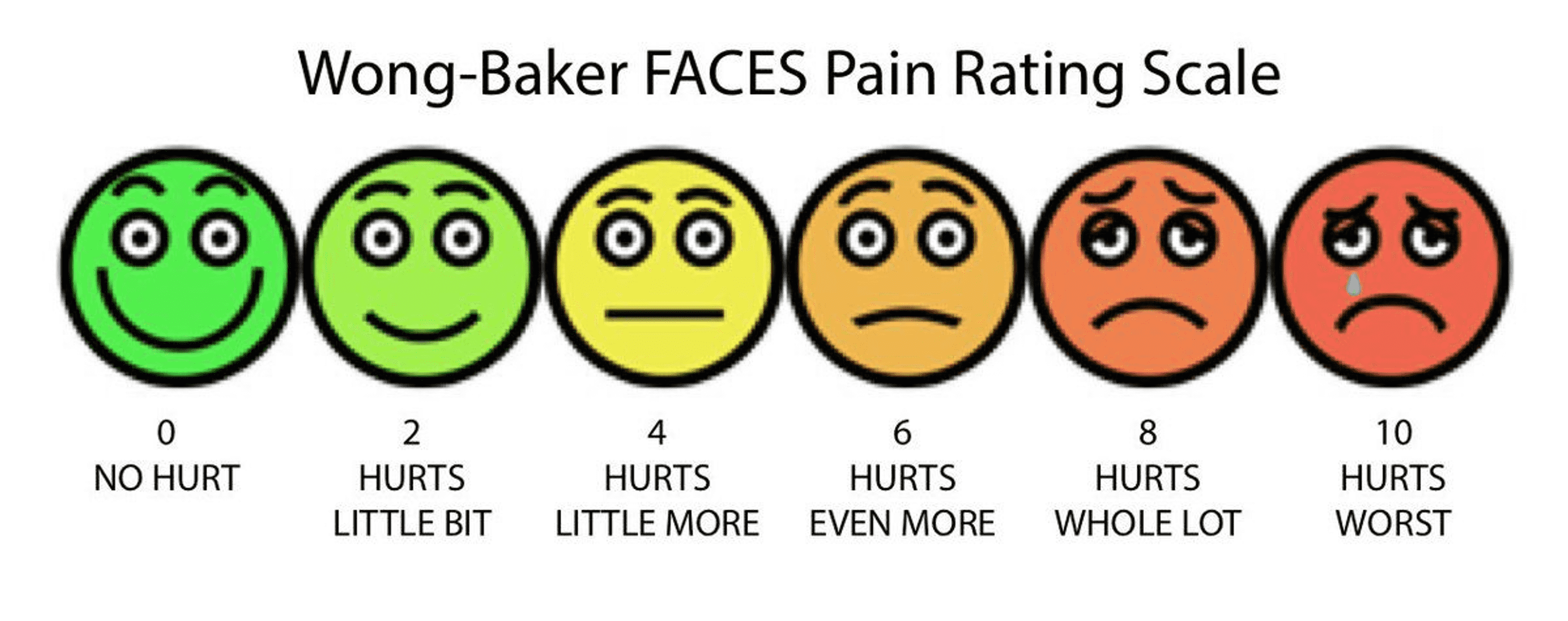
Rating scale is recommended for persons age 3 years and older. Development, initial validation and preliminary investigation for ratio scale. Here are the different types, pros and cons, and a chart with faces. Web this rating scale is recommended for children ages 3 and older. Web the faces scale is widely used with people ages three and older, not limited to children.
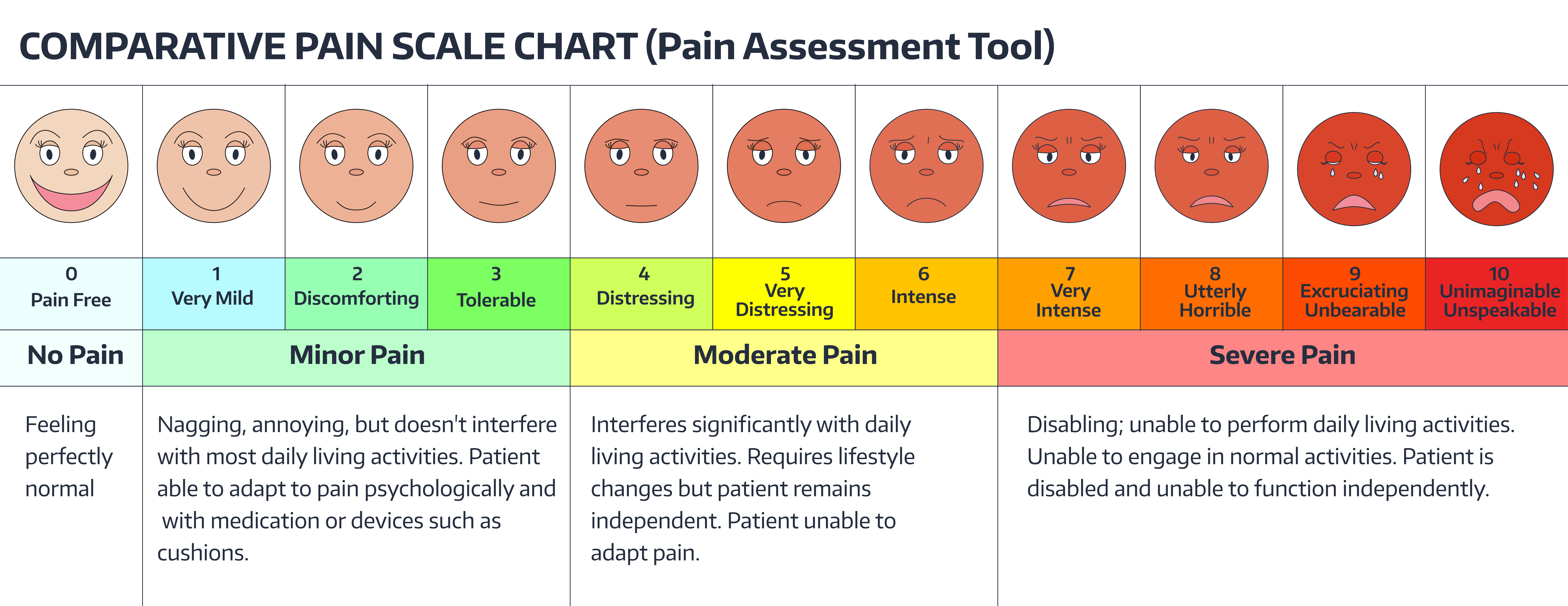
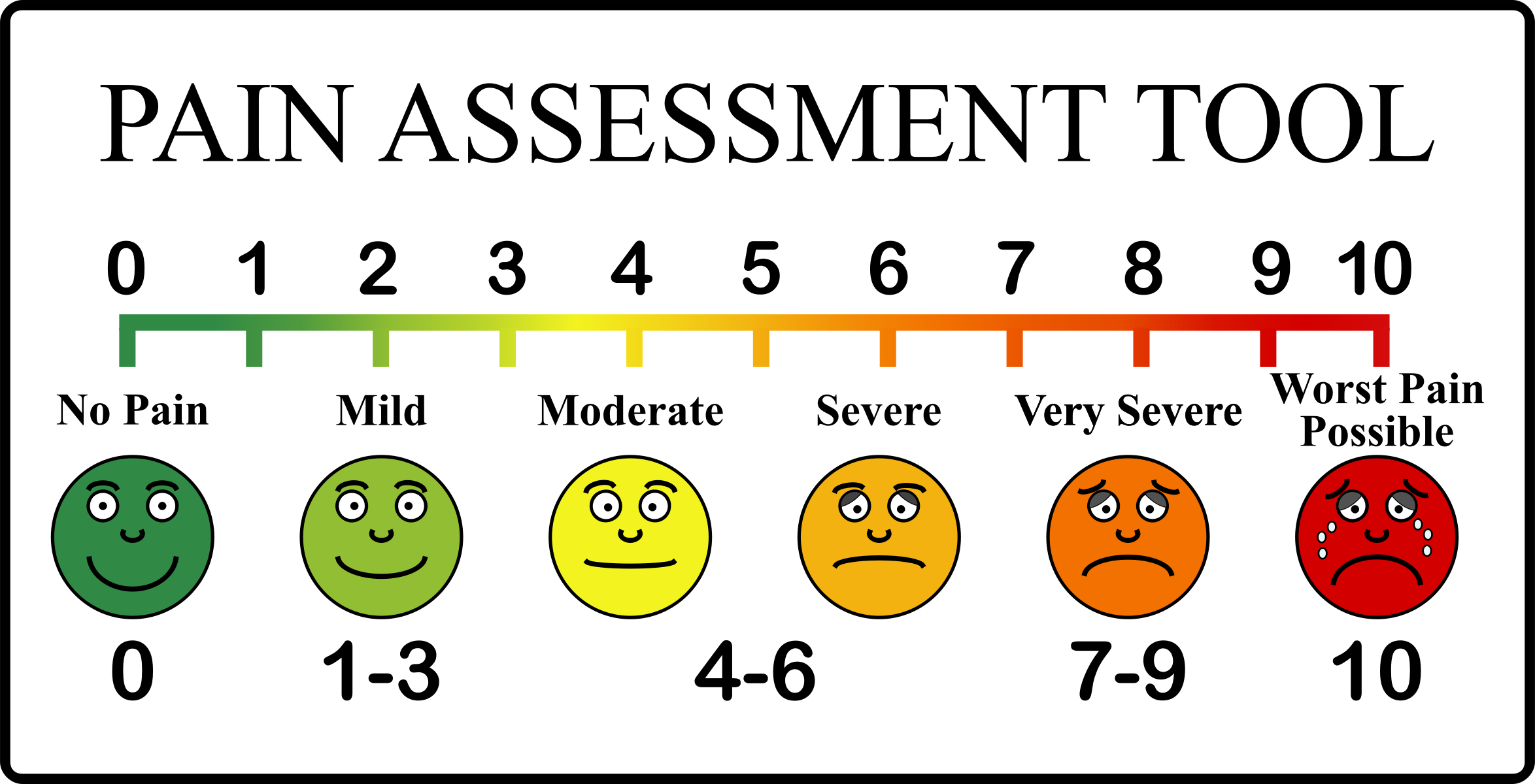
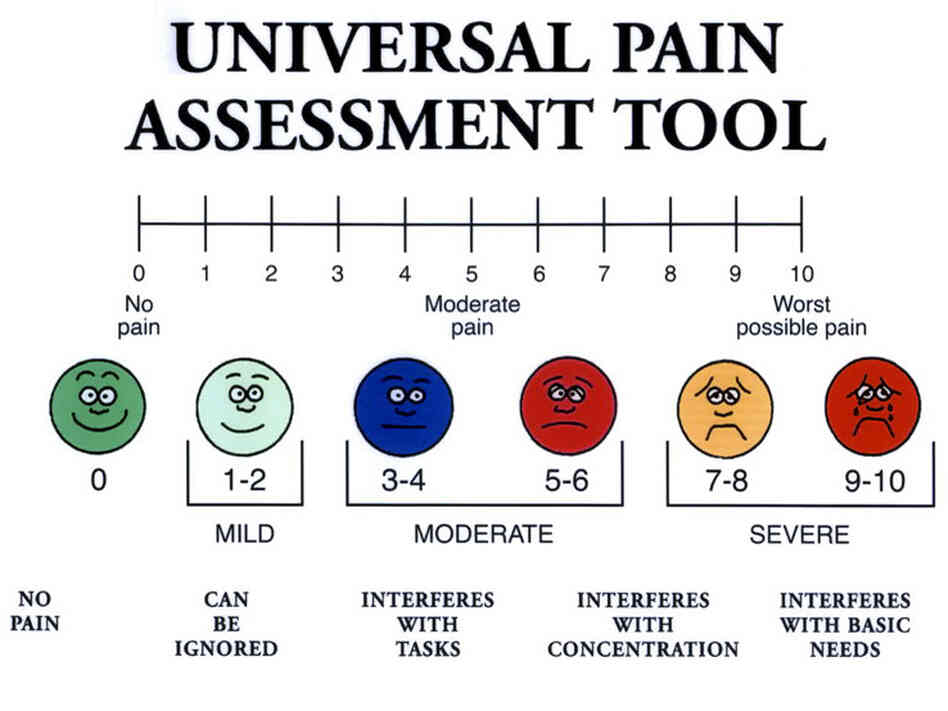
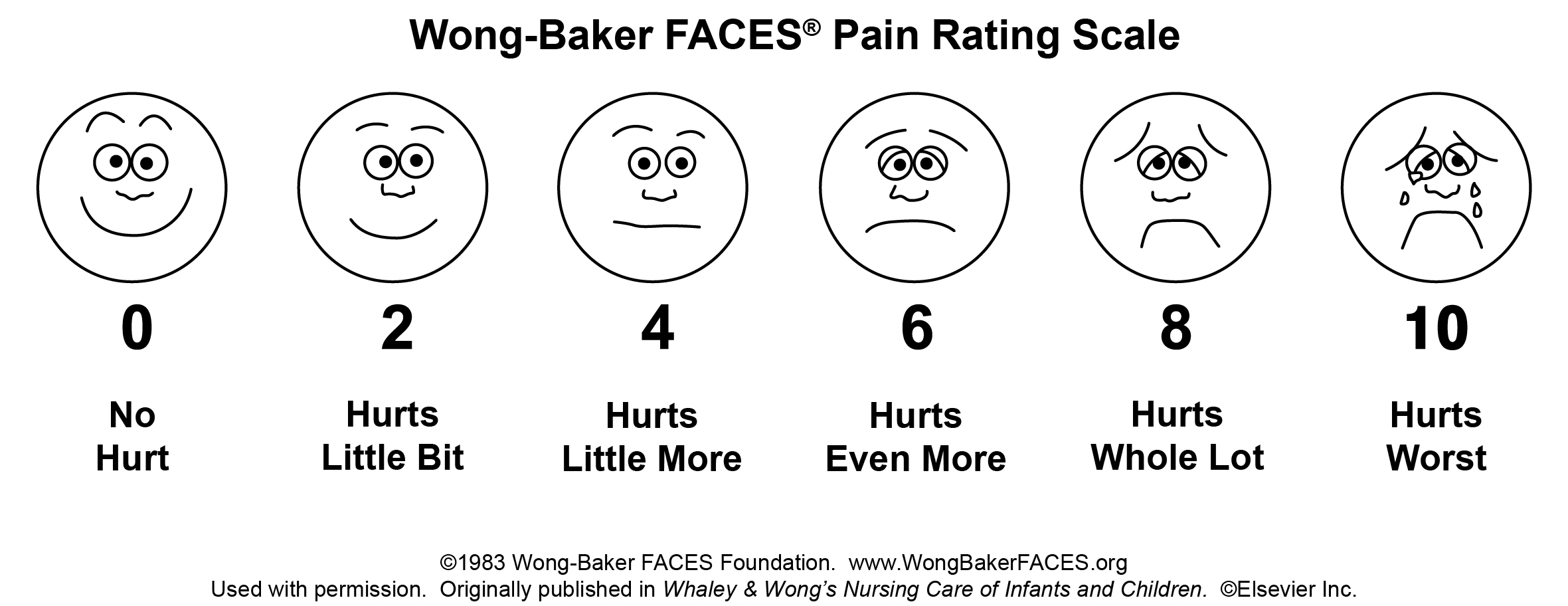
The scale shows a series of faces ranging from a happy face. Web using this free printable faces pain scale, practitioners can better identify and manage pain to reduce discomfort and work towards improved healthcare experiences. Web explain to the person that each face represents a person who has no pain (hurt), or some, or a lot of pain. Face 4 hurts a little. It was adapted from the faces pain scale [ 2 ] to make it.
Record pain scale for patient at each visit. 0 = very happy, no hurt. Adults and children (> 3 years old) in all patient care settings. “the faces show how much pain or discomfort someone is feeling. The scale shows a series of faces ranging from a happy face.
Cureus Phase 2 Assessment of a New Functional Pain Scale by Comparing
110 Pain Chart Faces

Faces pain rating scale. Comparative pain scale chart. Pain assessment
Pain Scale Printable
Pain Scale Printable
Printable Pain Scale Faces

Printable Faces Pain Scale
Free Printable Pain Scale Chart

Printable pain scale faces 1 10 delightvsa

Printable Pain Scale Faces

Face 2 hurts just a little bit. Ask the child to choose. Children match their level of pain. Here are the different types, pros and cons, and a chart with faces. Web ask the person to choose the face that best describes how he is feeling. It was adapted from the faces pain scale [ 2 ] to make it. Face 4 hurts a little. Web explain to the person that each face represents a person who has no pain (hurt), or some, or a lot of pain. Web the scale consists of six faces that range from no pain at all to the worst pain imaginable. Point to each face using the. Web choose the face that best describes how he is feeling. The emotional faces range from smiling to grimacing. Rating scale is recommended for persons age 3 years and older. Face 0 doesn’t hurt at all. If you look at the picture to the left,.
“The Faces Show How Much Pain Or Discomfort Someone Is Feeling.
Development, initial validation and preliminary investigation for ratio scale. Web the faces scale is widely used with people ages three and older, not limited to children. Point to each face and say the words under the. Explain to the person that each face is for a person who feels happy because he has no pain (no hurt) or sad because he has some or a lot.
Rating Scale Is Recommended For Persons Age 3 Years And Older.
2 = hurts a little more. It was adapted from the faces pain scale [ 2 ] to make it. Here are the different types, pros and cons, and a chart with faces. Adults and children (> 3 years old) in all patient care settings.
Face 4 Hurts A Little.
Web using this free printable faces pain scale, practitioners can better identify and manage pain to reduce discomfort and work towards improved healthcare experiences. Point to each face using the. Face 2 hurts just a little bit. Web explain to the person that each face represents a person who has no pain (hurt), or some, or a lot of pain.
The Scale Shows A Series Of Faces Ranging From A Happy Face.
3 = hurts even more. Web choose the face that best describes how he is feeling. If you look at the picture to the left,. The face on the left shows no pain.